Providing supplemental feed is one of the most effective ways to support wildlife on your property, but simply pouring feed on the ground isn’t enough to maximize results. A successful feeding program requires planning, consistency, and an understanding of how nutrition fits into the bigger picture of wildlife management.
Whether you’re managing a small hunting property or a large tract of land, building a better feeding program starts with focusing on long-term herd health rather than short-term attraction.
Start With Clear Goals
Before choosing feed products or feeder locations, define what you’re trying to accomplish.
Common goals include:
- Supporting overall herd health
- Encouraging consistent wildlife activity
- Improving body condition
- Complementing food plots and habitat improvements
- Enhancing hunting opportunities
- Providing nutrition during periods of limited natural forage
Understanding your objectives will help guide every decision that follows.
Focus on Consistency
One of the most overlooked aspects of wildlife feeding is consistency.
Deer quickly develop routines around dependable food sources. Frequent interruptions can disrupt feeding patterns and reduce the effectiveness of your program.
For best results:
- Feed on a regular schedule
- Keep feeders stocked whenever possible
- Avoid long periods without feed
- Maintain feeding locations throughout the year
A reliable feeding program encourages predictable use and allows wildlife to incorporate supplemental nutrition into their normal routines.
Choose the Right Feed
Not all feed products provide the same benefits.
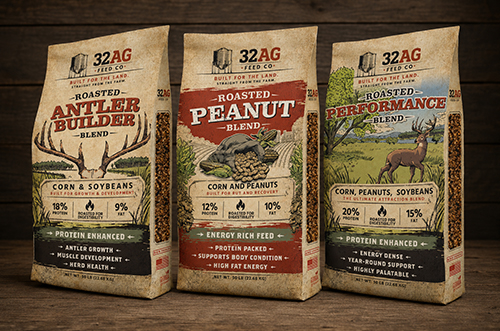
While corn remains a popular option because of its energy content and attractiveness, many landowners choose roasted corn or specialized feed blends to improve digestibility, palatability, and overall nutritional value.
When evaluating feed options, consider:
- Feed quality
- Ingredient consistency
- Digestibility
- Seasonal nutritional needs
- Long-term value
Quality feed helps ensure wildlife receive meaningful nutritional benefits rather than simply consuming calories.
Location Matters
Where you place your feeders can significantly impact their effectiveness.
Look for areas that provide:
Easy Access
Choose locations deer already travel through naturally. Placing feeders along established movement corridors often increases activity.
Security and Cover
Wildlife prefer areas where they feel protected. Nearby timber, bedding cover, or natural vegetation can encourage more frequent use.
Good Drainage
Avoid low-lying areas where standing water can create muddy conditions and damage feed.
Convenient Access for Maintenance
Remember that you’ll need to refill feeders regularly. Choose locations that are practical to reach throughout the year.
Feed Year-Round, Not Just During Hunting Season
Many landowners begin feeding shortly before hunting season. While this may increase activity in the fall, it often misses some of the most important nutritional periods of the year.
Spring
Deer are recovering from winter and entering a period of rapid growth.
Summer
Nutritional demands are high as bucks grow antlers and does support fawn development.
Fall
Energy requirements increase as wildlife prepare for winter.
Winter
Natural forage availability may decline, creating additional nutritional stress.
A year-round feeding program helps provide consistency and supports wildlife throughout every season.
Pair Feeding With Habitat Management
Supplemental feeding should never be viewed as a replacement for quality habitat.
The most successful wildlife properties combine feeding programs with:
- Food plots
- Native vegetation management
- Water sources
- Bedding cover
- Timber improvement practices
These elements work together to create a healthier environment and support sustainable wildlife populations.
Monitor and Adjust
No two properties are exactly alike.
Pay attention to:
- Feed consumption rates
- Wildlife activity
- Seasonal changes
- Weather conditions
- Population trends
Trail cameras can provide valuable insights into how wildlife are using your feeding locations and help identify opportunities for improvement.
Common Feeding Program Mistakes
Inconsistent Feed Availability
Stopping and starting a feeding program can reduce effectiveness and create unpredictable movement patterns.
Poor Feeder Placement
Locations with excessive disturbance, poor drainage, or limited cover often see reduced activity.
Ignoring Habitat Conditions
Even the best feed products cannot compensate for poor habitat.
Focusing Only on Attraction
The strongest feeding programs prioritize nutrition and herd health rather than simply attracting deer to a specific location.
Building for the Long Term
A successful feeding program isn’t measured by a single season. It’s built over time through consistent management, quality nutrition, and a commitment to improving the overall health of your property.
When paired with strong habitat management practices, supplemental feeding can become an important tool for supporting wildlife, improving herd health, and creating a better outdoor experience for years to come.
At 32AG, we believe successful wildlife management starts with quality nutrition and practical solutions. Our feed products are designed to help landowners, hunters, and wildlife enthusiasts support healthier wildlife populations while getting the most from their land.