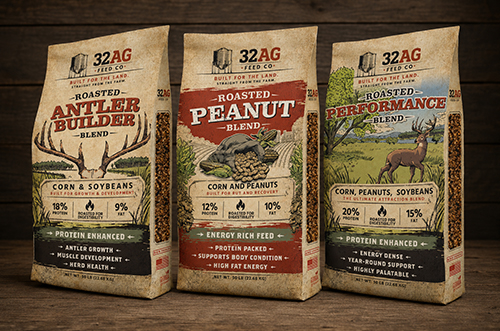
Whether you’re managing a hunting property, supporting local wildlife, or looking to improve herd health, supplemental feeding can play an important role in a comprehensive wildlife management program. When done correctly, it provides consistent nutrition during times when natural forage may be limited and helps support the overall health and condition of deer populations throughout the year.
What Is Supplemental Feeding?
Supplemental feeding is the practice of providing additional nutrition beyond what wildlife naturally finds in its environment. While native browse, mast crops, and food plots remain important food sources, supplemental feed can help fill nutritional gaps during periods of stress, drought, winter conditions, or increased nutritional demands.
The goal isn’t to replace natural forage—it’s to enhance it.
Why Supplemental Feeding Matters
Wildlife face different nutritional challenges throughout the year. Seasonal changes, weather patterns, habitat conditions, and population density can all impact the availability and quality of natural food sources.
A consistent feeding program can help:
- Support overall herd health
- Promote healthy body condition
- Reduce nutritional stress during challenging seasons
- Encourage regular wildlife activity on your property
- Complement habitat improvement efforts and food plots
When combined with good land management practices, supplemental feeding can become an effective tool for long-term wildlife stewardship.
When Should You Feed?
Many landowners focus their feeding efforts during hunting season, but wildlife nutritional needs exist year-round.
Spring
As new growth emerges, deer are recovering from winter stress and transitioning into a period of rapid growth. Nutritional demands increase as bucks begin antler development and does support fawn growth.
Summer
This is one of the most demanding periods of the year. Quality nutrition supports antler growth, body condition, and overall herd health during hot weather conditions.
Fall
As deer prepare for winter and hunting season approaches, consistent nutrition helps maintain body condition and supports natural movement patterns.
Winter
Natural food sources may become less available depending on weather conditions. Supplemental feed can help reduce nutritional stress during colder months.
The most effective feeding programs focus on consistency rather than seasonal spikes.
How to Build an Effective Feeding Program
Choose Quality Feed
Not all feed products are created equal. Look for products that are designed specifically for wildlife and provide consistent nutritional value.
Roasted feed products can offer improved palatability and digestibility, helping wildlife make better use of available nutrients.
Establish Consistent Feeding Locations
Place feeders in areas that are easy for wildlife to access while minimizing disturbance. Consistent locations help establish regular feeding patterns and allow you to monitor activity more effectively.
Maintain a Reliable Schedule
Wildlife quickly adapt to predictable food sources. Sudden interruptions can disrupt feeding patterns, so consistency is key.
Combine Feed with Habitat Improvements
Supplemental feeding works best when paired with strong habitat management practices. Food plots, native vegetation, water sources, and adequate cover all contribute to a healthier wildlife population.
A Long-Term Investment in Wildlife
Successful wildlife management isn’t about quick results—it’s about creating sustainable conditions that support healthy animal populations year after year.
When combined with quality feed, proper habitat management, and consistent practices, supplemental feeding can help landowners create a healthier environment for wildlife while getting more enjoyment from their property.
At 32AG, we’re committed to providing quality feed products and practical resources that help landowners, hunters, and outdoor enthusiasts make informed decisions for their land and wildlife management goals.
Common Mistakes to Avoid
Feeding Only During Hunting Season
Wildlife nutritional needs extend far beyond a few months of the year. A year-round approach often produces better long-term results.
Overlooking Habitat Management
Feed should complement natural forage, not replace it. Healthy habitat remains the foundation of any successful wildlife management strategy.
Inconsistent Feeding
Starting and stopping feeding programs frequently can reduce effectiveness and create unpredictable wildlife movement patterns.
Ignoring Feed Quality
The cheapest option isn’t always the best value. High-quality feed products often provide better nutritional benefits and less waste.