Purchasing quality feed is only part of the equation. Proper storage is essential for maintaining nutritional value, protecting your investment, and ensuring animals receive the quality nutrition you intended.
Even the best feed products can lose effectiveness when exposed to moisture, pests, heat, or contamination. Fortunately, a few simple storage practices can help extend feed life, reduce waste, and improve overall feeding efficiency.
Why Feed Storage Matters
Feed is an investment in your operation. When feed quality declines, so does the value you’re receiving from every bag, bulk delivery, or feeding cycle.
Poor storage can lead to:
- Mold growth
- Moisture damage
- Nutrient degradation
- Insect infestations
- Rodent contamination
- Increased waste
- Reduced feed consumption
Proper storage helps preserve quality from delivery day until the feed reaches the feeder.
Keep Feed Dry
Moisture is one of the biggest threats to feed quality.
When feed absorbs excess moisture, it can become susceptible to mold, spoilage, and nutrient loss. Even small amounts of water intrusion can create problems over time.
To help prevent moisture issues:
- Store feed in covered structures
- Keep feed off the ground
- Inspect roofs and storage areas regularly
- Use sealed containers when possible
- Protect feed from rain and standing water
A dry storage environment is one of the most important factors in maintaining feed quality.
Control Temperature When Possible
Extreme heat can accelerate feed deterioration and impact product quality.
While climate-controlled storage isn’t always practical, it’s important to minimize prolonged exposure to excessive temperatures whenever possible.
Consider:
- Shaded storage locations
- Well-ventilated buildings
- Reduced direct sunlight exposure
- Seasonal inventory planning
Cooler storage conditions generally help preserve feed quality longer.
Protect Against Rodents and Pests
Rodents, insects, and other pests can contaminate feed and create significant losses.
Common signs of pest activity include:
- Chewed bags
- Feed spillage
- Droppings
- Tunnels or nesting materials
- Visible insect populations
To reduce risk:
- Keep storage areas clean
- Eliminate unnecessary clutter
- Seal entry points when possible
- Store feed in secure containers
- Regularly inspect inventory
Preventative measures are often much easier than addressing an established infestation.
Use the First-In, First-Out Method
One of the simplest feed management strategies is known as FIFO—First In, First Out.
This means using older inventory before opening newer products.
Benefits include:
- Reduced spoilage
- Improved inventory management
- More consistent feed quality
- Less waste
Clearly labeling delivery dates can make inventory rotation easier, especially when storing larger quantities.
Keep Storage Areas Clean
Feed attracts attention from both animals and pests. Small spills can quickly become larger problems if left unaddressed.
Regular cleaning helps:
- Reduce contamination risks
- Discourage pests
- Improve organization
- Make inventory easier to manage
A clean storage area also allows you to spot potential issues before they become costly problems.
Monitor Feed Condition Regularly
Feed should be inspected periodically during storage.
Watch for:
Unusual Odors
A sour, musty, or moldy smell can indicate spoilage.
Visible Mold
Discolored patches or fuzzy growth are warning signs that feed quality has been compromised.
Clumping
Moisture exposure often causes feed to stick together or form hard clumps.
Insect Activity
Small infestations can grow quickly if not addressed early.
When feed shows signs of spoilage, it’s generally best to avoid feeding it to livestock or wildlife.
Consider Seasonal Storage Needs
Storage conditions often change throughout the year.
Summer
Heat and humidity can increase the risk of spoilage and moisture-related issues.
Fall
Changing weather patterns may require additional attention to inventory management.
Winter
Feed should remain protected from snow, ice, and repeated freeze-thaw cycles.
Planning ahead for seasonal conditions can help maintain consistent feed quality year-round.
Bulk Feed vs. Bagged Feed
Both storage methods have advantages.
Bagged Feed
- Easier to manage in smaller quantities
- Flexible storage options
- Convenient for smaller operations
Bulk Feed
- Often more economical for larger operations
- Reduces packaging waste
- Requires dedicated storage infrastructure
Regardless of format, the same principles apply: keep feed dry, protected, clean, and properly rotated.
Small Habits, Big Savings
Feed waste often occurs gradually rather than all at once. A torn bag, a small roof leak, or an unnoticed pest issue may not seem significant at first, but over time these problems can add up.
Implementing a few basic storage practices can help:
- Preserve feed quality
- Improve feeding efficiency
- Reduce waste
- Protect your investment
- Support better animal performance
Protect the Value of Every Bag
Quality feed starts with quality ingredients, but maintaining that quality depends on how the product is stored after it leaves the supplier.
By keeping feed dry, clean, protected, and properly managed, you can maximize the value of every purchase while ensuring animals receive the nutrition they’re intended to get.
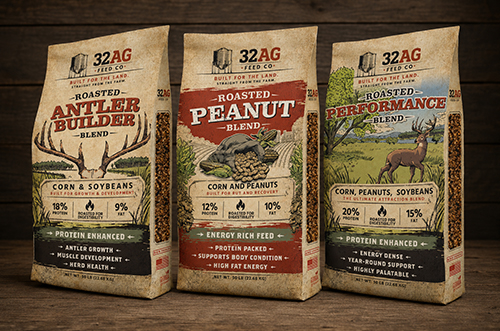
At 32AG, we believe quality matters from production to feeding. That’s why we’re committed to providing dependable feed products and practical resources that help farmers, landowners, and wildlife managers get the most from their feeding programs.