For many landowners and hunters, fall is the culmination of months of preparation. While opening day often receives the most attention, successful hunting seasons are usually built long before the first hunt takes place.
The weeks leading up to fall offer an opportunity to improve habitat, establish feeding programs, monitor wildlife activity, and create a strategy that supports both hunting success and long-term wildlife management goals.
Whether you manage a small hunting property or a large tract of land, preparing early can make a significant difference when the season arrives.
Start With a Property Assessment
Before making improvements, take time to evaluate your property.
Ask yourself:
- Where are deer currently feeding?
- What natural food sources are available?
- Where are bedding areas located?
- How are animals moving across the property?
- Are there habitat improvements that could increase wildlife activity?
Understanding current conditions helps identify opportunities and ensures your efforts are focused where they’ll have the greatest impact.
Check Feeders and Feeding Locations
Late summer and early fall are ideal times to inspect feeding equipment and establish a consistent feeding program.
Look for:
- Damaged feeders
- Worn motors or batteries
- Moisture issues
- Signs of pest activity
- Areas that need maintenance
Consistency is important. Wildlife often develop predictable patterns around dependable food sources, making early preparation beneficial.
If you’re using supplemental feed, make sure feeding locations are established well before hunting season begins.
Evaluate Food Plots
Food plots can become major activity centers during the fall.
Before the season arrives:
- Inspect plot health
- Address weed pressure
- Evaluate forage availability
- Consider fall planting opportunities
- Monitor utilization rates
Well-managed food plots provide valuable nutrition while helping concentrate wildlife activity on the property.
Use Trail Cameras Strategically
Trail cameras provide valuable information about wildlife movement and behavior.
Late summer and early fall are excellent times to gather information on:
- Population numbers
- Buck activity
- Travel patterns
- Feeding schedules
- Property usage
Place cameras near:
- Feeders
- Food plots
- Travel corridors
- Water sources
- Field edges
The goal isn’t simply collecting photos—it’s identifying patterns that help you better understand how wildlife are using the property.
Improve Access Routes
One of the most overlooked aspects of hunting preparation is property access.
Poor access can unintentionally disturb wildlife before a hunt even begins.
Consider:
- Entry and exit routes
- Wind direction
- Vehicle traffic patterns
- Parking locations
- Visibility from stands or blinds
Minimizing disturbance helps maintain natural wildlife movement and increases the likelihood of daytime activity.
Identify and Protect Bedding Areas
Bedding cover is often more important than many hunters realize.
As hunting season approaches:
- Avoid unnecessary disturbance
- Limit scouting pressure
- Protect sanctuary areas
- Maintain thick cover
Wildlife that feel secure are more likely to remain on the property throughout the season.
Many successful land managers focus as much attention on protecting bedding areas as they do on improving food sources.
Review Stand and Blind Locations
Early preparation provides time to evaluate hunting locations before wildlife become sensitive to increased human activity.
Inspect:
- Tree stands
- Ground blinds
- Shooting lanes
- Safety equipment
- Access paths
Avoid excessive trimming or habitat disturbance immediately before the season.
Small adjustments made early are often more effective than major changes made at the last minute.
Consider Water Sources
During warm early-season conditions, water can become a significant factor in wildlife movement.
Inspect existing water sources and monitor activity around:
- Ponds
- Creeks
- Springs
- Water troughs
- Wildlife water stations
Properties that provide reliable water often see increased wildlife use during dry periods.
Focus on Habitat, Not Just Hunting
It’s easy to become focused on stand locations and trail camera photos, but the most productive properties prioritize habitat first.
Strong habitat management includes:
- Quality nutrition
- Reliable water
- Secure cover
- Native vegetation
- Reduced disturbance
These improvements support wildlife throughout the year and often produce better hunting opportunities as a result.
Avoid Common Pre-Season Mistakes
Waiting Too Long
Major improvements are most effective when completed well before opening day.
Excessive Scouting
Constant pressure can alter wildlife behavior and reduce daytime activity.
Ignoring Wind and Access
Even excellent stand locations can become ineffective if access routes consistently disturb wildlife.
Focusing Only on Feed
Supplemental feeding is valuable, but it should complement—not replace—quality habitat management.
A Year-Round Approach Produces Better Results
The most successful hunting properties aren’t built in September.
They’re developed through consistent year-round management that focuses on improving habitat, supporting wildlife health, and creating an environment where animals can thrive.
When hunting season arrives, those efforts often translate into more wildlife activity, better opportunities, and a more rewarding experience in the field.
Get Ready Before Opening Day
Preparing your property for fall hunting season isn’t about making one big change—it’s about combining several small improvements that work together.
By evaluating habitat, maintaining feeding programs, monitoring wildlife activity, and reducing unnecessary disturbance, you can create conditions that benefit both wildlife and hunters alike.
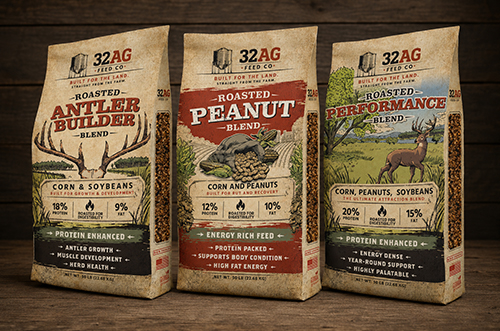
At 32AG, we’re proud to support hunters, landowners, and wildlife managers with quality feed products and practical resources that help make every season a successful one.