If you’re looking to improve wildlife activity and support healthier deer populations on your property, you’ve probably encountered two common strategies: food plots and supplemental feeding.
Both can play an important role in wildlife management, but they’re not interchangeable. Each offers unique benefits, challenges, and opportunities depending on your goals, budget, and property size.
So which approach is better?
The answer is often neither—it’s both.
Understanding how food plots and supplemental feeding work together can help you create a more effective wildlife management program.
What Is a Food Plot?
A food plot is a planted area specifically designed to provide nutrition and attract wildlife.
Common food plot crops include:
- Clover
- Brassicas
- Soybeans
- Winter wheat
- Oats
- Chicory
Food plots provide a natural food source that can supplement native vegetation and help improve habitat quality throughout the year.
Benefits of food plots include:
- Long-term nutritional value
- Improved habitat diversity
- Increased carrying capacity
- Soil health improvements
- Multiple species benefits
When managed properly, food plots become an important part of a property’s overall ecosystem.
What Is Supplemental Feeding?
Supplemental feeding involves providing additional feed products to wildlife through feeders or designated feeding locations.
Popular feed options include:
- Roasted corn
- Shelled corn
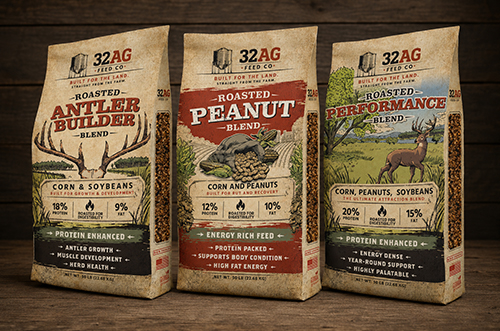
- Specialized wildlife blends
- Protein supplements
Supplemental feeding helps provide consistent nutrition when natural forage may be limited or when wildlife nutritional demands are elevated.
Benefits of supplemental feeding include:
- Reliable nutrition
- Consistent feeding locations
- Year-round flexibility
- Immediate implementation
- Easy monitoring of wildlife activity
Supplemental feeding can be particularly valuable during periods of environmental stress or seasonal food shortages.
Comparing Food Plots and Supplemental Feeding
Nutrition
Food plots often provide a broad range of nutrients and can support wildlife over extended periods.
Supplemental feeding provides targeted nutrition and allows landowners to deliver specific feed products when needed.
Winner: Tie
Both contribute valuable nutrition when managed correctly.
Cost
Food plots require:
- Seed
- Equipment
- Soil preparation
- Fertilizer
- Ongoing maintenance
Supplemental feeding requires:
- Feed purchases
- Feeders
- Regular refilling
Costs vary significantly based on property size and management goals.
Winner: Depends on the operation
Labor Requirements
Food plots require substantial seasonal work, including planting, spraying, mowing, and maintenance.
Supplemental feeding generally requires less labor but involves regular monitoring and refilling.
Winner: Supplemental feeding
Immediate Results
Food plots take time to establish and may require months before reaching full productivity.
Supplemental feeding can begin producing results almost immediately.
Winner: Supplemental feeding
Habitat Benefits
Food plots provide more than food. They improve habitat diversity and can create additional cover and structure for wildlife.
Supplemental feeding primarily focuses on nutrition rather than habitat improvement.
Winner: Food plots
Why the Best Strategy Is Often Both
Many successful wildlife managers use food plots and supplemental feeding together.
Here’s why:
Food plots provide:
- Long-term nutrition
- Habitat improvements
- Seasonal forage
Supplemental feeding provides:
- Consistent nutrition
- Support during difficult conditions
- Additional energy sources
- Flexibility throughout the year
Together, they create a more complete wildlife management program.
Rather than choosing one or the other, many landowners find the greatest success by combining the strengths of both approaches.
Property Size Matters
The right strategy often depends on how much land you’re managing.
Small Properties
Supplemental feeding may be easier to implement and maintain than large food plots.
Medium-Sized Properties
A combination of smaller food plots and feeding locations often works well.
Large Properties
Larger tracts can support multiple food plots, habitat improvements, and comprehensive feeding programs.
There is no universal formula. The best plan is the one that fits your land, budget, and goals.
Common Mistakes to Avoid
Relying on Only One Tool
Food plots and supplemental feeding are most effective when viewed as part of a larger management strategy.
Ignoring Habitat
Neither approach can fully compensate for poor cover, limited water sources, or inadequate habitat diversity.
Inconsistency
Wildlife respond best to predictable food availability and long-term management efforts.
Focusing Only on Hunting Season
Wildlife nutritional needs exist year-round. Spring and summer management efforts often have the greatest impact on overall herd health.
Building a Complete Wildlife Program
Successful wildlife management isn’t about choosing sides in the food plot versus feeding debate.
It’s about creating a balanced system that provides:
- Quality nutrition
- Reliable water
- Adequate cover
- Diverse habitat
- Consistent management
Food plots and supplemental feeding are simply two tools that help accomplish those goals.
The Bottom Line
Food plots and supplemental feeding each offer important benefits for wildlife management. While one may be more practical than the other depending on your property, the most effective programs often incorporate both.
When combined with strong habitat management practices, these tools can help support healthier wildlife populations, increase property enjoyment, and create lasting benefits for years to come.
At 32AG, we’re committed to helping landowners build better wildlife programs through quality feed products, practical resources, and solutions designed to support wildlife throughout every season.